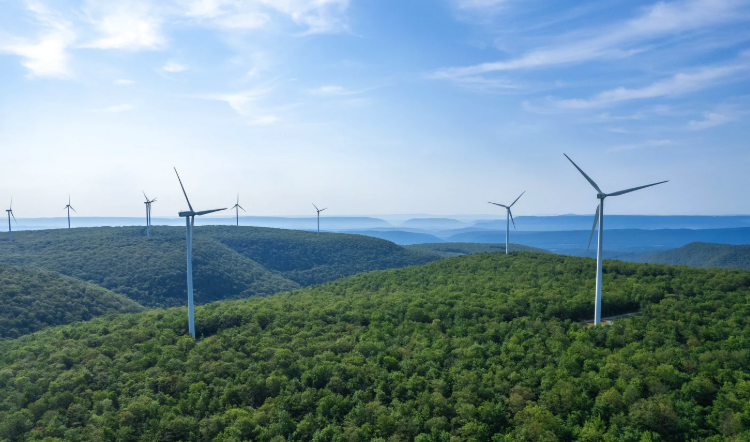
Environmental sustainability is about meeting our current needs without compromising the ability of future generations to meet theirs. It involves making choices that protect natural resources, reduce waste and pollution, and promote the long-term health of our planet. From everyday actions to system-level change, sustainability encourages a balanced relationship between people, nature, and the economy.
Benefits of
Environmental
Sustainability
By adopting sustainable practices, we protect ecosystems and biodiversity, ensuring the environment can support future generations.
These efforts also deliver long-term ecological and economic benefits by preserving vital resources, cutting costs associated with environmental damage, and building a more resilient economy.
Examples
Greenhouse gas emissions: High emissions from fossil fuels cause global warming, leading to rising sea levels, extreme weather, and disrupted agricultural systems.
Plastic Pollution: Single-use plastics and poor waste management contaminate oceans and harm marine life, creating long-term environmental hazards.
Deforestation: Large-scale logging and land clearing reduce biodiversity, disrupt ecosystems, and contribute to climate change by releasing stored carbon.
Technological
Solutions
Monitoring and Management Technologies: Includes tools like satellites, drones, GIS, and smart sensors that help track deforestation and manage energy, water, and land use. AI and IoT systems make resource use more efficient, while smart irrigation reduces water waste.
Resource-Efficient and Circular Technologies of Resources:Focus on reducing consumption and promoting sustainable habits. Energy-efficient appliances and water recycling systems help lower resource use at home and in industry. Circular economy platforms encourage reuse, repair, and sharing to minimize waste.